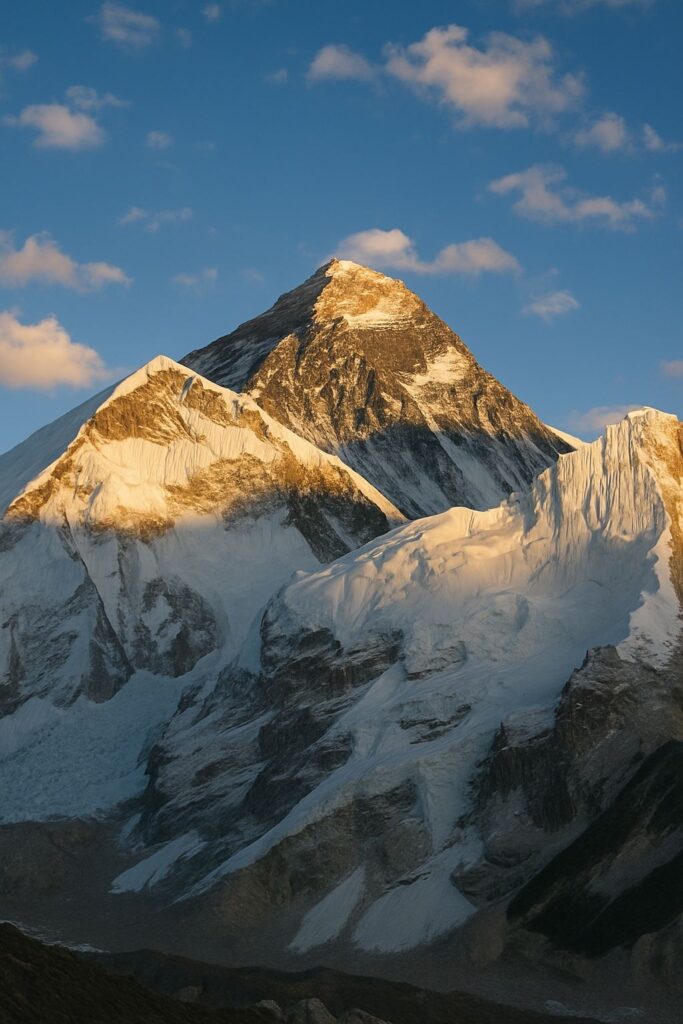
Nepal is a country of diversity from tropical forest to eight of the highest mountains on earth stretches in 147,181 square kilometers. It is a land of the world’s highest Mountains with about thirty six ethnic groups, warm people, resplendent art and architecture. Its unique floral and faunal endowments bring warm hospitality for anyone in search for Shangri-La. In the terms of bio diversity due to its unique geographical position and altitudinal variation its elevation, the country ranges from 60m at sea level to the highest point on earth. Nepal is situated between China in the north and India in the South. The population is approximately 25-30 million people. Kathmandu is the capital of Nepal.
The Himalayan region of Nepal ranges in the altitude between 3,000 m. and 8848 m. It houses eight of the fourteen highest mountains on earth. The mountain region occupies 64% of the countries total land. This region is formed by the mahabharat Ranges soaring up to 4877m. To the South lies the Churia range which altitude varies from 610m. to 1524m.
Nepal has four major seasons, namely:
Winter: December – February.
Spring: March – May.
Summer: June – August.
Autumn: September – November

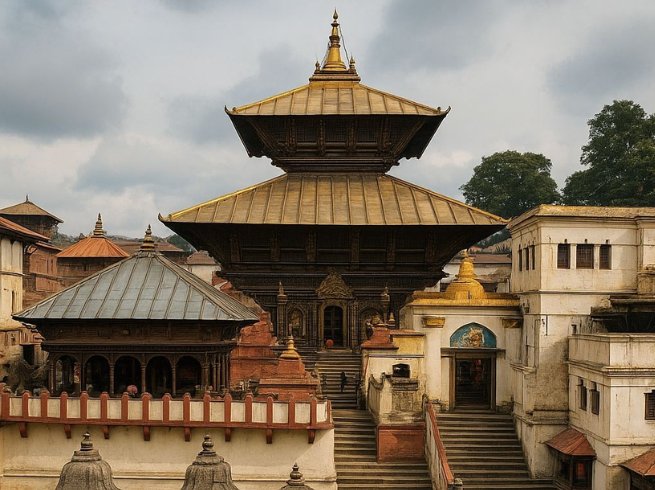
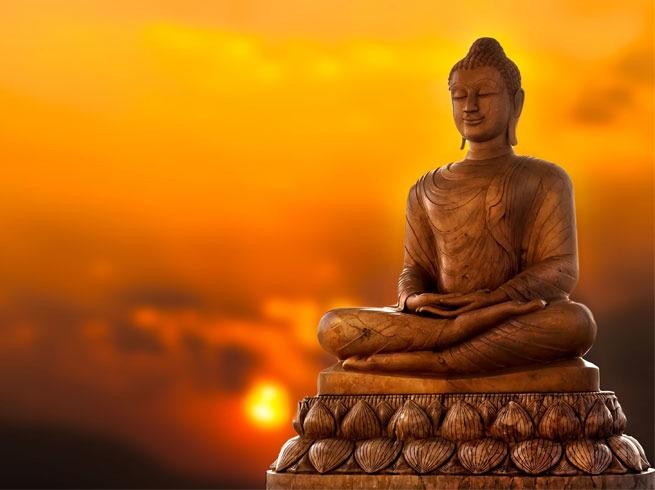
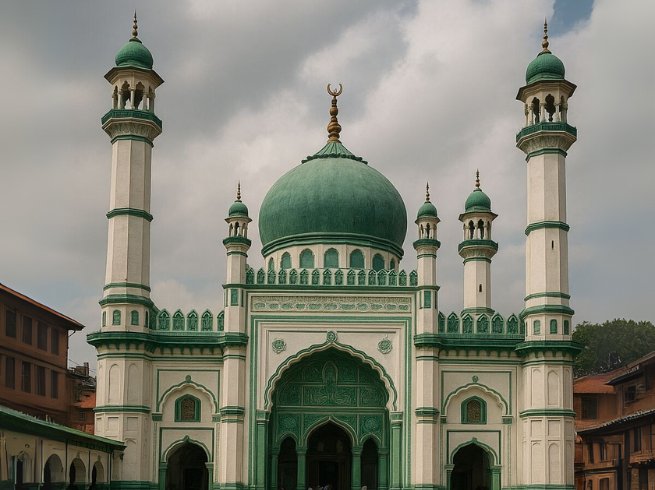
**Hinduism, Buddhism and Muslims** are predominant religions of Nepal. Hinduism occupies highest status and secondly the Buddhist then partly the other religions. Nepalese people are traditionally religious. All have faith on good deeds and it is the traditional custom of people rooted in their religious faith. They pay respect to superiors and guests. Guests are considered as gods. The festivals dedicated to Gods and Goddesses are celebrated in the country. In Nepal, marriage is generally settled by parents with mutual consent of the boys and girls.